· Boise Home Services · Home Maintenance · 7 min read
How to Prepare Your Boise Home for Winter
Boise winters bring freezing temps, snow, and freeze-thaw cycles that test every part of your home. Here's how to get ready before the first hard freeze.
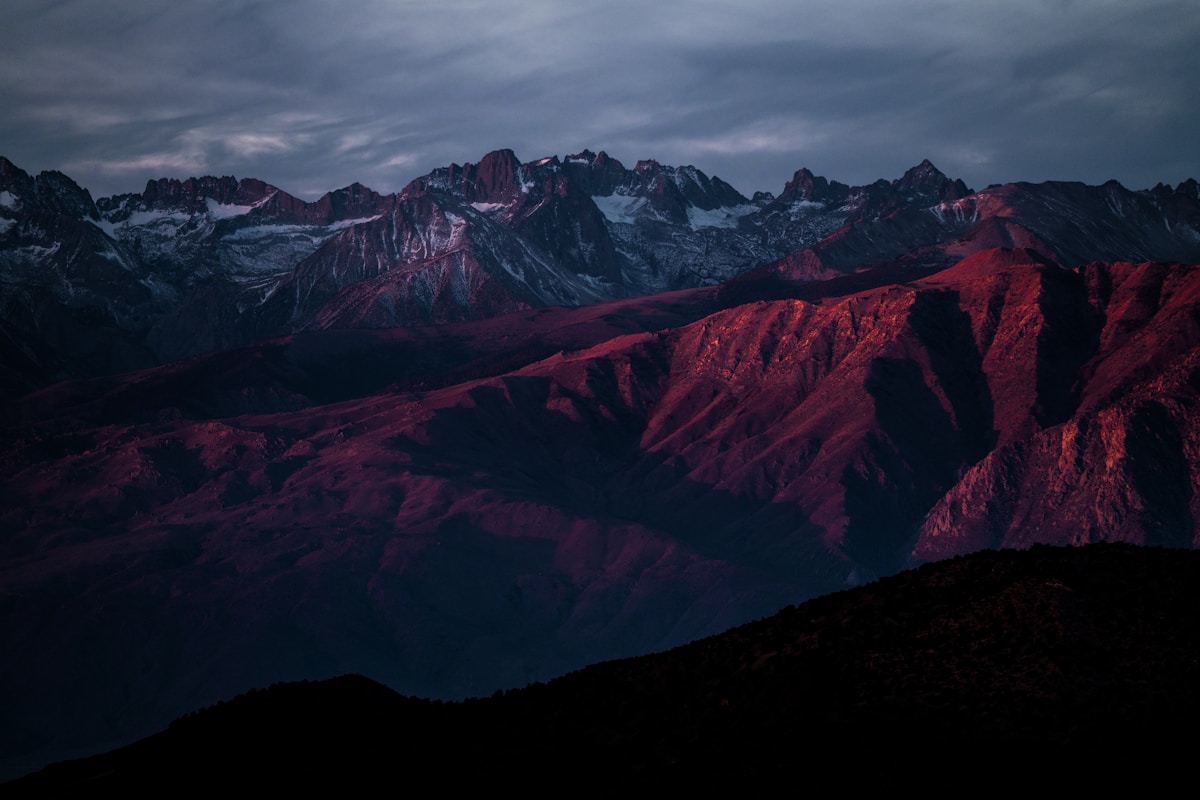
Boise’s winters are no joke. Temperatures regularly drop below zero, freeze-thaw cycles crack concrete and pipes, and heavy snow loads stress roofs and gutters. If your home isn’t properly prepared, winter can cause thousands of dollars in damage — most of it preventable with a few hours of preparation.
The best time to winterize your Boise home is October, before the first hard freeze (which typically hits the Treasure Valley in late October or early November). Here’s a comprehensive guide to getting your home ready for whatever Idaho’s winter throws at it.
Insulation and Weatherstripping
Heat escapes through gaps, cracks, and insufficient insulation. Sealing your home before winter reduces energy bills and keeps you comfortable.
Attic insulation: Idaho energy code recommends a minimum of R-38 in attic spaces — that’s roughly 10–14 inches of fiberglass or cellulose insulation. If you can see the tops of your ceiling joists when you look in the attic, you need more insulation. This is one of the highest-ROI energy improvements you can make.
Door and window seals: Check weatherstripping around all exterior doors. Close a door on a dollar bill — if you can pull it out easily, the seal needs replacing. Check window caulking for gaps and cracks. Boise’s dry climate causes caulk to deteriorate faster than in humid areas.
Basement and crawl space: Insulate exposed walls and seal any gaps where utility lines enter the home. Cold air infiltrating through the foundation makes your furnace work harder and increases the risk of frozen pipes.
Electrical outlets on exterior walls: These are surprisingly common air leak points. Foam gasket inserts (available at any hardware store for about $1 each) seal the gaps behind outlet covers and make a noticeable difference.
Plumbing Freeze Protection
Frozen pipes are one of the most expensive winter emergencies in Boise — a single burst pipe can cause tens of thousands of dollars in water damage.
Insulate exposed pipes: Wrap foam insulation around any pipes in unheated spaces — crawl spaces, garages, exterior walls, and attics. Focus especially on supply lines, which are under pressure and cause the most damage when they burst.
Know your main shutoff: Every household member should know where the main water shutoff valve is and how to use it. If a pipe does burst, shutting off the water quickly limits the damage from minutes to hours.
Disconnect garden hoses: A hose left connected to an outdoor faucet can cause the faucet, the pipe behind it, and the connection to freeze and crack. Disconnect all hoses, drain them, and store them inside. If you have frost-free faucets, they still need hoses disconnected to function properly.
Sprinkler system blowout: This is absolutely essential in Boise. Schedule a professional sprinkler blowout before the first freeze — typically by mid to late October. Water left in irrigation lines will freeze, expand, and crack pipes and fittings underground, leading to costly spring repairs.
Cabinet trick: On especially cold nights (below 10°F), open cabinet doors under kitchen and bathroom sinks on exterior walls. This allows warm room air to circulate around the pipes.
Furnace and Heating Preparation
Your heating system is about to work hard for five months straight. Make sure it’s ready.
Professional tune-up: Schedule a furnace inspection and tune-up in September or October — before the rush. A technician will check the heat exchanger for cracks (a carbon monoxide risk), clean the burners, test safety controls, and ensure efficient operation. This typically costs $80–$150 and can prevent mid-winter breakdowns.
Replace the filter: Start winter with a clean filter and plan to replace it every 1–2 months through the heating season. A dirty filter reduces efficiency by 5–15% and shortens your system’s lifespan.
Test your thermostat: Switch to heating mode and verify it activates the furnace correctly. If you have an older thermostat, consider upgrading to a programmable or smart model — proper programming can save 10–15% on heating costs.
Check carbon monoxide detectors: With the house sealed up tight and the furnace running, working CO detectors are critical. Test all units and replace batteries. Replace any detector over 5 years old.
Bleed radiators: If you have a hot water heating system, bleed air from radiators before the heating season starts. Air pockets prevent radiators from heating fully.
Gutter Cleaning and Maintenance
Gutters play a critical role in winter water management.
Clean thoroughly: Remove all leaves, pine needles, and debris before snowfall. Boise’s cottonwood and deciduous trees shed heavily in fall — don’t wait until the last minute.
Check downspout drainage: Make sure downspouts direct water at least 3–4 feet away from your foundation. Frozen downspout pools can damage foundation walls during freeze-thaw cycles.
Inspect for damage: Look for sagging sections, loose brackets, and gaps at joints. A gutter that pulls away from the house under snow load can cause significant water damage.
Consider gutter guards: If you clean your gutters more than twice a year, gutter guards may be worth the investment. They won’t eliminate maintenance entirely, but they dramatically reduce debris accumulation.
Roof Inspection
Your roof’s job gets much harder in winter. Give it a check-up before the load arrives.
Check for damaged shingles: Look for missing, cracked, curling, or loose shingles. These are entry points for water when snow melts and refreezes. Address roof issues before winter — repairs during snow season are difficult and expensive.
Clear debris: Remove branches, leaves, and any other debris from the roof surface. Debris holds moisture against roofing materials and accelerates deterioration.
Inspect flashing: Check the seals around vents, chimneys, and skylights. Flashing failures are one of the most common sources of winter leaks.
Look for ice dam risk areas: Ice dams form when heat escaping from the attic melts snow on the roof, which then refreezes at the eaves. Proper attic insulation and ventilation are the best preventions. If you’ve had ice dams before, address the root cause before winter.
Emergency Preparedness
Boise ice storms and heavy snow can cause power outages. Be prepared.
Space heater safety: If you use portable heaters as backup, keep them at least 3 feet from anything flammable, never leave them unattended, and plug them directly into wall outlets (not extension cords or power strips).
Emergency supplies: Keep flashlights, batteries, a battery-powered radio, blankets, and non-perishable food on hand. A full charge on a portable power bank keeps your phone alive for emergency communications.
Know your utility shutoffs: Besides the water main, know how to shut off gas and electricity in an emergency. Label these shutoffs clearly.
Generator safety: If you have a portable generator, never run it indoors, in an attached garage, or near windows. Carbon monoxide from generators is a leading cause of winter emergency deaths nationwide.
Professional Winterization Service
A professional winterization visit covers items you might miss and provides peace of mind heading into Boise’s toughest season.
A typical professional winterization inspection includes:
- Complete exterior inspection (roof, gutters, siding, foundation)
- Plumbing assessment and pipe insulation check
- Furnace inspection and filter replacement
- Window and door seal evaluation
- Attic insulation assessment
- Smoke and CO detector testing
- Sprinkler system blowout coordination
- Prioritized report of issues found
Our seasonal maintenance service is designed specifically for Treasure Valley homes and the unique challenges of Idaho winters. We know what to look for because we’ve been winterizing Boise homes for over 15 years.
Don’t Wait for the First Freeze
The most expensive winter damage is the kind you could have prevented. A few hours of preparation in October — or a single professional visit — can save you from a frozen pipe emergency at 2 AM in January, a furnace failure during a cold snap, or a roof leak that damages your ceiling.
Schedule your winterization visit today, or call us at (208) XXX-XXXX. We’ll make sure your home is ready for whatever Boise’s winter brings.